STEPHANIE WEST CONSULTANT OPHTHALMIC SURGEON
Specialist squint, double vision and children’s eye care in Southampton
Orthoptic Team
Meet the Orthoptic Team
Stephanie works closely with a highly experienced orthoptic team. Orthoptists are experts in assessing vision, eye movements and how the eyes work together, helping patients receive the right diagnosis and management plan.
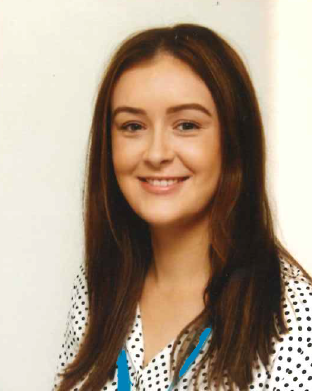
Rachel Leary
Highly Specialised Orthoptist
Rachel is a highly specialised orthoptist who has supported both Jay and Stephanie since 2016. She has extensive experience in testing vision in children, diagnosing ocular motility disorders and managing double vision. Her interests are in neuro-ophthalmology and amblyopia.
Rachel graduated from the University of Liverpool in 2014 and worked at Western Sussex Foundation Trust before joining Southampton General Hospital in 2016. She has been the orthoptic educational lead for the trust and leads ocular motility training for orthoptic and medical undergraduates.
HCPC Registered number: OR06112
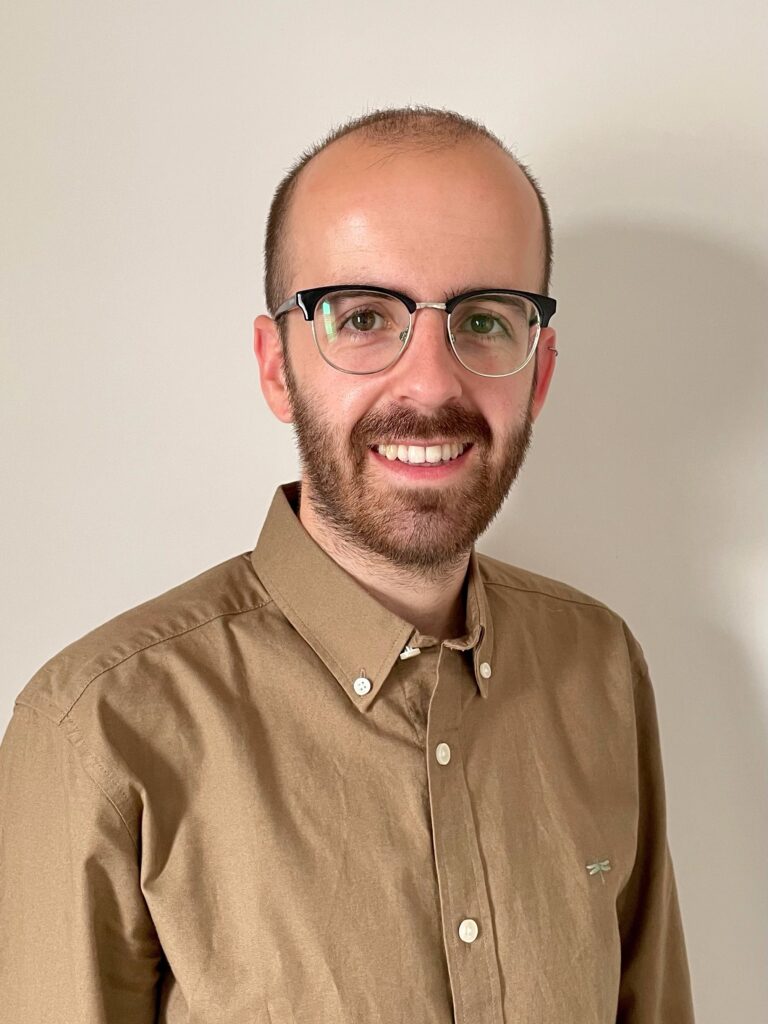
Tomos Harding
Experienced Orthoptist
Tomos is an experienced orthoptist practising in Southampton. He examines both adult and paediatric patients with vision problems and squint.
Tomos has been with the Southampton team since 2018, having previously worked in North Wales after graduating from the University of Liverpool. He is regularly involved in teaching undergraduate orthoptic, nursing and medical students.
HCPC Registered number: OR06207
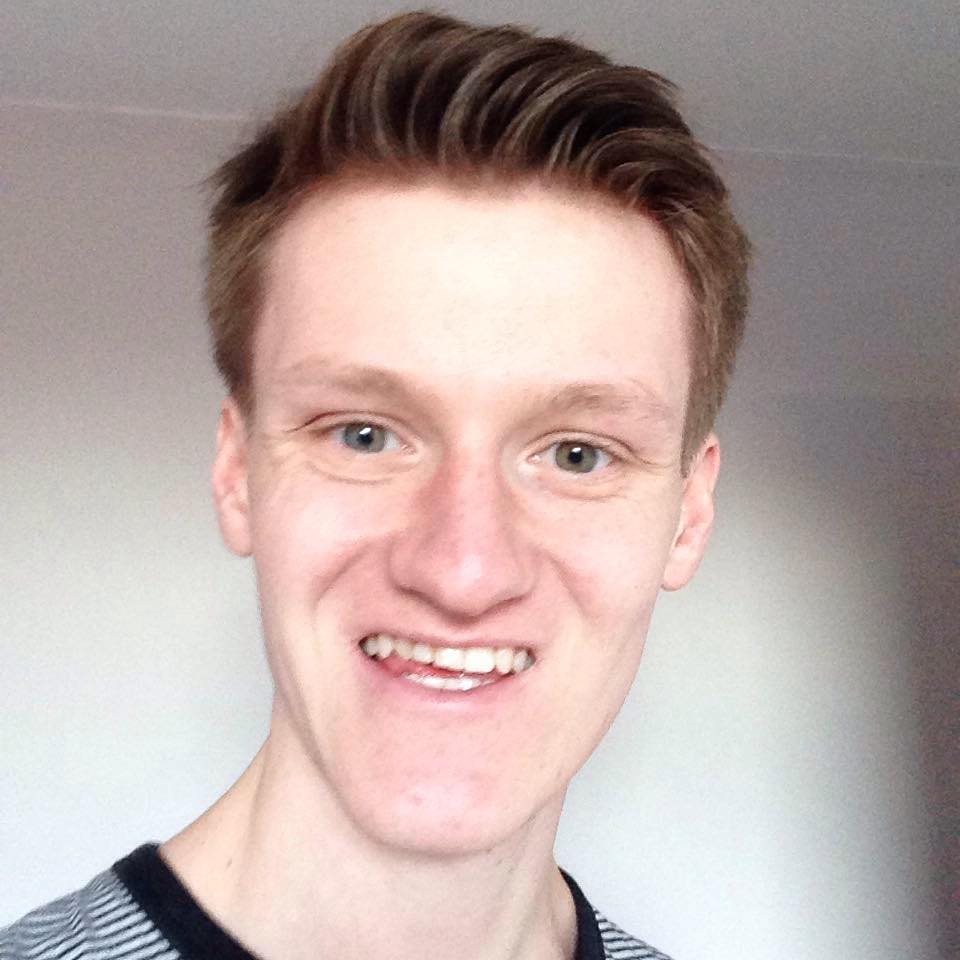
Daniel Osborne
Research Orthoptist & Pre-Doctoral Clinical Academic Fellow
Daniel is a Research Orthoptist and Pre-Doctoral Clinical Academic Fellow at University Hospital Southampton and the University of Southampton. He has experience treating amblyopia, nystagmus, double vision and strabismus.
Daniel trained in orthoptics at the University of Sheffield. His research focuses on using new technologies and knowledge to improve outcomes for children with amblyopia and reduce health inequalities. He has received national research awards, presented at national and international conferences and authored peer-reviewed papers.
HCPC Registered number: OR06100
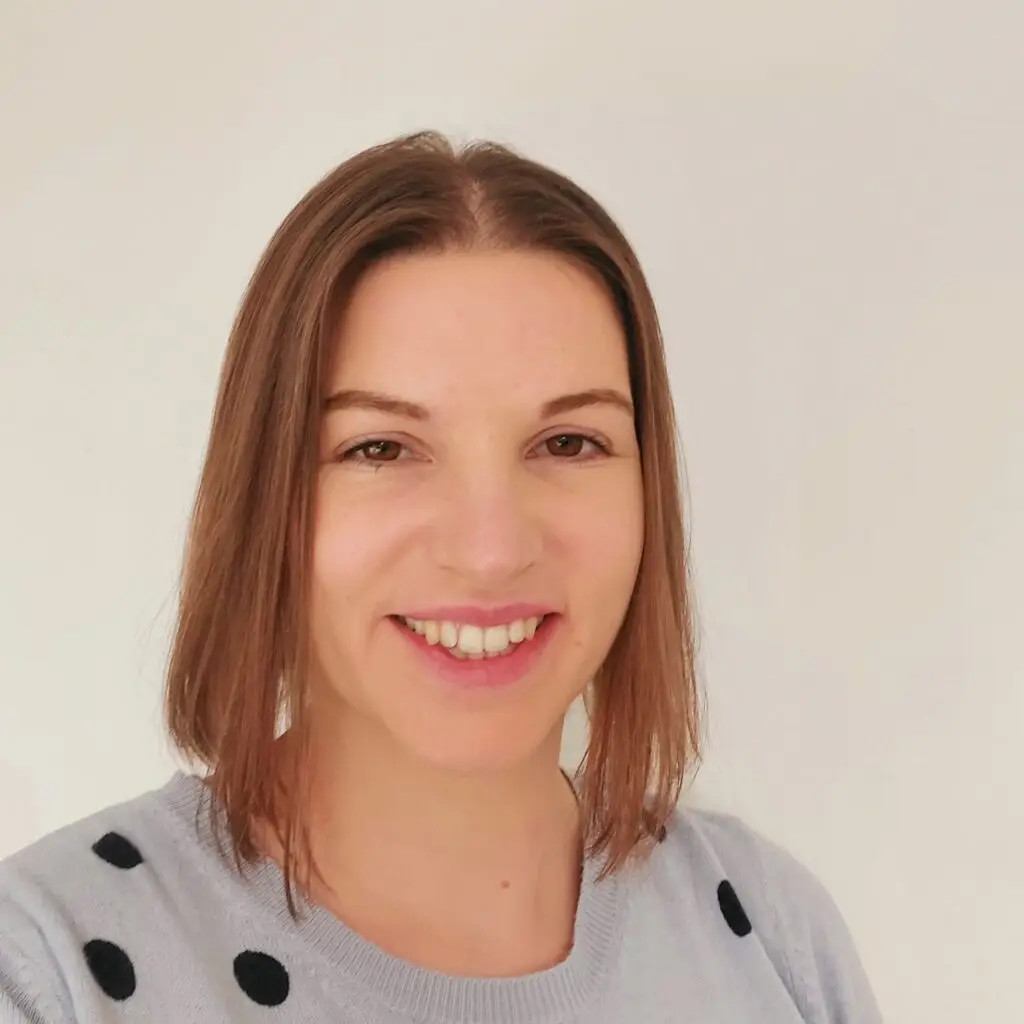
Helen Ellis
Specialist Orthoptist
Helen graduated in 2008 with a first class degree in Orthoptics and has gained wide experience across several NHS trusts.
Helen works with both adult and paediatric patients, including general orthoptic clinics and specialised ocular motility, neuro-ophthalmology and nystagmus clinics. She also regularly helps with teaching undergraduate orthoptic students, nurses and junior doctors.
HCPC Registered number: OR05751
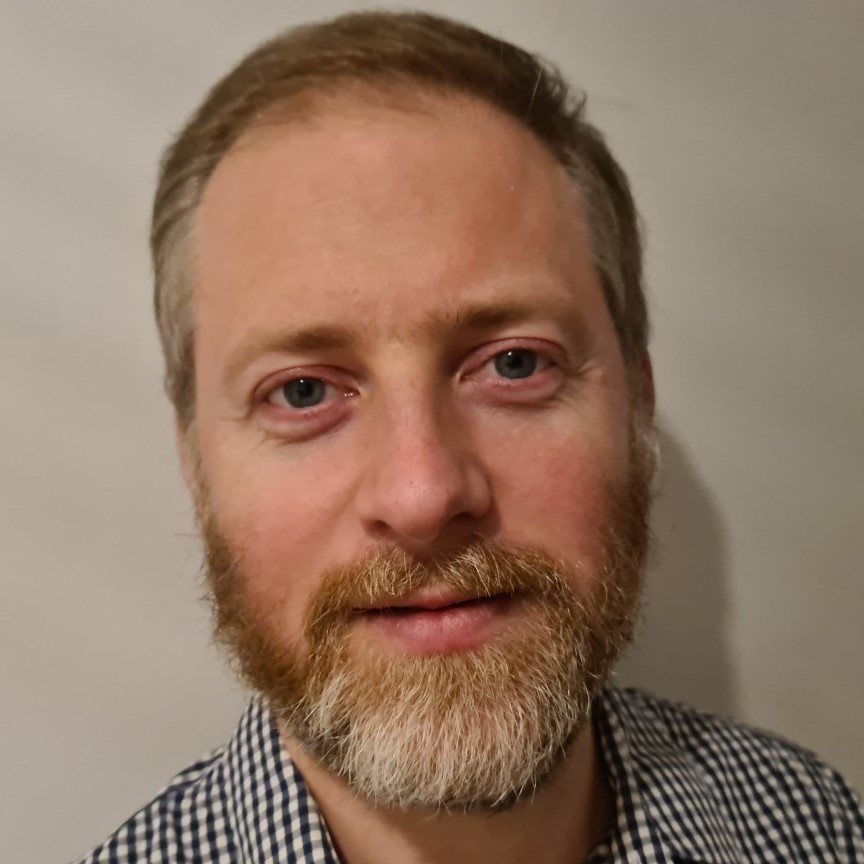
Jeremy Bradshaw
Orthoptist
Jeremy has been practising in Southampton since graduating from Liverpool in 2017 with a first class degree.
Jeremy works across a range of specialty clinics, seeing paediatric patients through visual development and adults with complex ocular motility conditions. He has a special interest in childhood esotropia and contributes to teaching staff, students and medical students.
HCPC Registered number: OR06284
What is an orthoptist?
Most people have never heard of an orthoptist until they or their child are referred to one. Orthoptists are specialists in diagnosing and managing disorders of eye movement and binocular vision.
They work with both children and adults, and are particularly skilled in assessing squints, double vision, reduced vision in one eye, nerve palsies and complex eye movement disorders.
Measure vision accurately
Age-appropriate assessment of visual acuity, including fixation preference in babies and young children.
Assess eye alignment
Precise measurements of the size and pattern of a squint at near, distance and in different directions of gaze.
Examine eye movements
Assessment of the six muscles around each eye, looking for weakness, overaction, restriction or nerve palsy.
Test binocular vision
Assessment of fusion, depth perception, suppression and how effectively the eyes work together as a pair.
Support treatment
Advice on prisms, exercises, patching and other non-surgical treatment options where appropriate.
Help plan surgery
Accurate repeatable measurements that help Miss West decide whether surgery is appropriate and how it should be planned.
Why is an orthoptic assessment important?
Many eye movement conditions cannot be diagnosed simply by looking at the eyes. A detailed orthoptic assessment helps answer important questions:
- Is a squint present all the time or only intermittently?
- How large is the deviation?
- Does it change at near, distance or in different gaze positions?
- Is double vision present?
- Which eye muscles or nerves may be involved?
- Is the condition stable, improving or worsening?
- Could prisms, exercises, Botox® or surgery help?
Detailed measurements, better decisions
Orthoptic findings provide the clinical information needed to investigate your condition thoroughly, monitor change over time and choose the most appropriate treatment.
Conditions our orthoptists assess
- Childhood squints
- Adult-onset squints
- Double vision
- Third, fourth and sixth nerve palsies
- Thyroid eye disease
- Convergence insufficiency
- Divergence insufficiency
- Microtropia
- Brown syndrome
- Duane syndrome
- Restrictive eye movement disorders
- Orbital trauma
- Previous squint surgery
- Post-cataract surgery double vision
- Neurological eye movement disorders
- Amblyopia and reduced vision in one eye
What happens during an orthoptic assessment?
Every appointment is tailored to the patient’s age, symptoms and condition. Your assessment may include some or all of the following:
Vision assessment
Your vision will be measured using the most appropriate test for your age and ability. Young children may be assessed using pictures, matching tests, preferential looking or fixation behaviour.
Eye alignment measurements
Prisms and cover tests are used to measure exactly how far the eyes are misaligned and whether this changes with focusing distance or gaze direction.
Eye movement assessment
The movements of each eye are examined carefully to identify weak, overacting or restricted muscles and patterns suggesting a nerve palsy or mechanical restriction.
Binocular vision testing
Tests assess fusion, stereopsis, suppression and whether the brain is able to combine the image from each eye.
Prism assessment
Prisms may be used to measure or temporarily correct double vision, assess comfort and explore whether prism glasses may help.
Monitoring over time
Repeat measurements help show whether a condition is stable, recovering or changing, which is important before planning treatment.
Advanced orthoptic testing
Some patients need additional specialist tests, particularly when there is double vision, a nerve palsy, restricted eye movement or previous surgery.
Hess chart or Lees screen
These tests create a detailed map of eye muscle function. They are particularly useful for nerve palsies, thyroid eye disease, orbital trauma, restrictive disorders and complex previous squint surgery.
Synoptophore assessment
The Synoptophore assesses eye alignment and binocular function using separate images presented to each eye through two optical tubes, rather like binoculars.
Children's orthoptic assessments
Children’s appointments are adapted to their age and confidence. Toys, pictures, lights and matching games are used to make the assessment engaging and child-friendly.
Orthoptists are skilled at obtaining useful information even from babies and preschool children who cannot yet read or describe what they see.
Adults with double vision
Adults with new or longstanding double vision often need detailed measurements to identify the cause and assess how symptoms change in different gaze positions.
The orthoptist may also use prisms to reduce symptoms and help determine whether observation, prism glasses, Botox® or surgery may be appropriate.
Frequently asked questions
Specialist assessment, all in one visit
Our orthoptists work closely with Miss West so that measurements, diagnosis and treatment planning can be brought together wherever possible during the same appointment.