STEPHANIE WEST CONSULTANT OPHTHALMIC SURGEON
Specialist squint, double vision and children’s eye care in Southampton
Adult Squint Surgery
Squint surgery changes the position or tension of one or more eye muscles to improve eye alignment. Your operation is planned from repeated orthoptic measurements and tailored to your visual needs, previous treatment and surgical goals.
NHS Consultant • Fellowship trained • Adults and children

Adult squint surgery: what to expect
Squint surgery can improve eye alignment in adults with strabismus, including people who have lived with a squint since childhood and those who develop a change in eye position later in life. The decision to operate is individual and depends on your measurements, symptoms, previous treatment and the goals of surgery.
Who is suitable for adult squint surgery?
Adults with a noticeable or symptomatic squint may be suitable for surgery. This includes longstanding childhood squints, recurrent or residual squints after previous treatment, and selected acquired deviations. A detailed assessment is needed to determine whether surgery is appropriate and what it is likely to achieve.
Am I too old for squint surgery?
There is no fixed upper age limit for squint surgery. Suitability depends much more on your general health, eye health, the type of deviation and the likely benefits of treatment than on age alone.
What happens during squint surgery?
Squint surgery works by changing the position or tension of one or more eye muscles to improve alignment. The exact muscles treated and the amount of surgery are planned from your orthoptic measurements and examination. Surgery may involve one eye or both eyes.
Can previous squint surgery be repeated?
Yes, further squint surgery may be possible after previous operations. Assessment can be more complex because of scarring, altered muscle position or previous surgical changes, but repeat treatment can still be considered in many cases.
Will squint surgery cure double vision?
In some patients surgery can reduce or resolve double vision by improving eye alignment, but this cannot be guaranteed in every case. The likely effect depends on the cause, pattern and stability of the deviation and how the eyes work together.
What are the risks of squint surgery?
All surgery has risks. These can include under-correction or over-correction, the need for further treatment, persistent or new double vision, infection, inflammation, scarring and other less common complications. Your individual risks should be discussed as part of the consent process.
How long does recovery take?
The eye is usually red and irritated after surgery and this improves gradually. Most people can return to many normal activities relatively quickly, although the appearance of the eye can take longer to settle and final alignment is assessed after healing.
What will my eye look like afterwards?
Redness, swelling and visible dissolving stitches are expected during the early healing period. The amount varies between patients. The eye usually becomes progressively more comfortable and less red as healing continues.
How much does private squint surgery cost?
The total cost depends on the planned procedure and where treatment takes place. Current consultation and self-pay information is available on the fees page, and a personalised treatment plan can be provided after assessment.
Can I travel to Southampton for squint surgery?
Yes. Patients can be assessed in Southampton, including those travelling from elsewhere in the UK or internationally. In suitable cases an initial video consultation can help review your history and previous records before arranging a face-to-face assessment and measurements.
Your assessment before surgery
Before considering surgery, the priority is to understand your current eye alignment, symptoms and goals. Assessment may include visual acuity, eye movement examination and detailed orthoptic measurements. Previous clinic letters, operation notes or historical measurements can be useful, particularly if you have had earlier squint surgery.
Considering adult squint surgery?
A specialist consultation can establish the type and size of your squint, discuss what surgery may realistically achieve, and explain the alternatives, risks and expected recovery.
How adult squint surgery works
A straightforward explanation of how the eye muscles are repositioned and how your individual operation is planned.
This video provides general information. A specialist consultation and orthoptic assessment are needed to decide what may be appropriate for you.
The decision is individual
Surgery may be considered for persistent eye misalignment, troublesome double vision, an abnormal head posture, discomfort or the impact of a visible squint on confidence. Stephanie will explain what can realistically be achieved and whether non-surgical options should be tried first.
Improve alignment
The aim is to make the eyes straighter in the positions of gaze that matter most.
Reduce double vision
Surgery may enlarge the area of comfortable single vision or improve control.
Improve head posture
Better alignment may reduce a compensatory turn or tilt of the head.
A carefully planned pathway
Orthoptic measurements
Your eye alignment and movements are measured carefully, often on more than one occasion.
Pre-operative appointment
In the preceding week, measurements are confirmed and Stephanie reviews the surgical plan, consent and your questions.
Day of surgery
The procedure is usually performed as a day case under general anaesthetic.
Adjustment where required
Selected adult operations use an adjustable suture. Alignment is checked and refined after surgery if needed.
Early recovery
The eye is red and sore, but most people manage with drops and simple pain relief.
Follow-up
Review is usually around two weeks after surgery and again at two to three months.
What happens on the day of adult squint surgery
A calm walkthrough of arrival, anaesthetic, the operation, recovery and going home.
Your own admission time, preparation and discharge instructions will be confirmed by the hospital team.
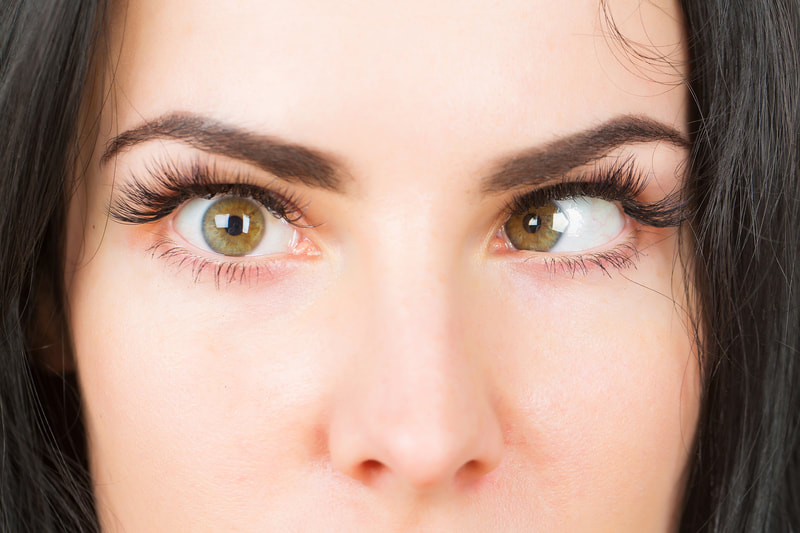
Fine-tuning alignment after surgery
In selected adult cases, an eye muscle is secured with a stitch that can be adjusted after the main operation. Once you are awake and using your eyes normally, Stephanie checks the alignment and double vision.
If adjustment is needed, anaesthetic drops are used and the muscle position is refined. Many patients do not require any change.
What is adjustable-suture squint surgery?
Why adjustable sutures are used for selected adults, and what happens during the same-day alignment check.
Adjustable sutures are suitable for selected adult operations. Your individual options, likely benefits and risks will be discussed during consultation.
What is normal after surgery?
Redness
The white of the eye can remain red for several weeks and gradually settles.
Discomfort
A gritty or pulling sensation is common and is usually controlled with simple pain relief.
Temporary blur or double vision
Vision can fluctuate while swelling settles and the brain adapts to the new alignment.
Eye drops
Antibiotic and anti-inflammatory drops are prescribed after the operation.
Time off
Return to work or school varies with comfort, work type and the extent of surgery.
Contact the team
Increasing pain, reduced vision or marked discharge should be reported promptly.
Hear directly from a patient
This verified testimonial describes the experience of being assessed and treated by Stephanie.
Healing and Scarring After Squint Surgery
It is normal for the eye to look red after squint surgery. The eye usually heals very well and, once healing is complete, most people have little or no visible sign that surgery has been performed.
What is normally expected?
During the first few days and weeks, it is normal to notice:
- Redness of the white of the eye
- Mild swelling
- A gritty or scratchy sensation
- Watering or mild discharge
- Temporary discomfort when moving the eyes
These symptoms usually improve steadily. Redness may take several weeks to fade, while the final cosmetic appearance can continue to settle for several months.
A hidden fornix incision
Most squint surgery is performed through a fornix incision. This is placed beneath the eyelid rather than directly on the most visible part of the white of the eye.
This helps conceal the healing area and usually gives an excellent cosmetic result. Once fully healed, many patients cannot see where the incision was made.
Dissolvable Vicryl sutures
Dissolvable Vicryl stitches are commonly used and usually do not need to be removed.
Occasionally, a small local reaction develops as a stitch dissolves. This may appear as a tiny white or yellow bump with localised redness or irritation. It is usually harmless and settles with time.
If a small piece of suture remains exposed and uncomfortable, it can usually be removed easily in clinic.
What if a scar reaction occurs?
Significant visible scarring is uncommon, especially after a first operation. If inflammation or a small scar reaction develops, treatment may include:
- Lubricating eye drops
- A short course of anti-inflammatory drops
- Observation while healing continues
- Removal of exposed suture material if needed
- Scar treatment or revision in uncommon cases
The risk of scarring is higher after previous surgery because the tissues have already been disturbed. Careful planning and gentle tissue handling are particularly important during redo squint surgery.
A reassuring cosmetic result
The vast majority of patients heal with an excellent cosmetic result.
Although the eye may initially look quite red, this usually fades steadily. Because most surgery is performed through a hidden fornix incision, there is generally little visible evidence of surgery once healing is complete.
When should I contact the clinic?
Please contact the clinic promptly if you develop increasing pain, worsening redness after initial improvement, thick yellow or green discharge, increasing swelling, or a sudden reduction in vision.
From first consultation to follow-up
Initial consultation
Friday: final measurements & consent
Saturday: day-case surgery
Going home
First follow-up: 2–3 weeks
Further follow-up: 2–3 months
Travelling after surgery
Self-pay surgery fees
Questions about squint surgery
Squint surgery is generally performed under general anaesthetic as a day-case procedure.
This depends on the pattern of your squint, previous surgery and the planned correction. Stephanie will explain the recommended muscles and eyes.
Alignment can change over time. Further treatment is occasionally required, particularly in complex or longstanding cases.
The aim and likelihood of improving double vision depend on its cause and pattern. Prisms or further treatment may still be needed in some cases.
You must not drive while you have double vision or if your vision does not meet DVLA standards. Individual advice will be given after assessment and surgery.
Risks include under- or over-correction, persistent or new double vision, infection, scarring, need for further surgery and rare serious complications. These are discussed during consent.
Specialist squint care — easier to reach than you may think
Patients travel to Southampton from across the UK and overseas for specialist assessment and treatment of adult squint, double vision, complex eye movement problems and previous squint surgery. A video consultation can often be arranged first, helping us review your history and plan the most useful next steps before you travel.
Start with a video consultation
Your first appointment may be held by secure video. This is particularly helpful for patients travelling a long distance or coming from overseas.
Before the consultation, you can share previous clinic letters, orthoptic measurements, glasses or prism prescriptions, scan reports and earlier squint surgery records. This helps us understand your condition and decide what assessment or treatment may be appropriate.
Straightforward UK travel
Southampton has direct rail services from London Waterloo and good connections from across southern England, the Midlands, Wales and the South West.
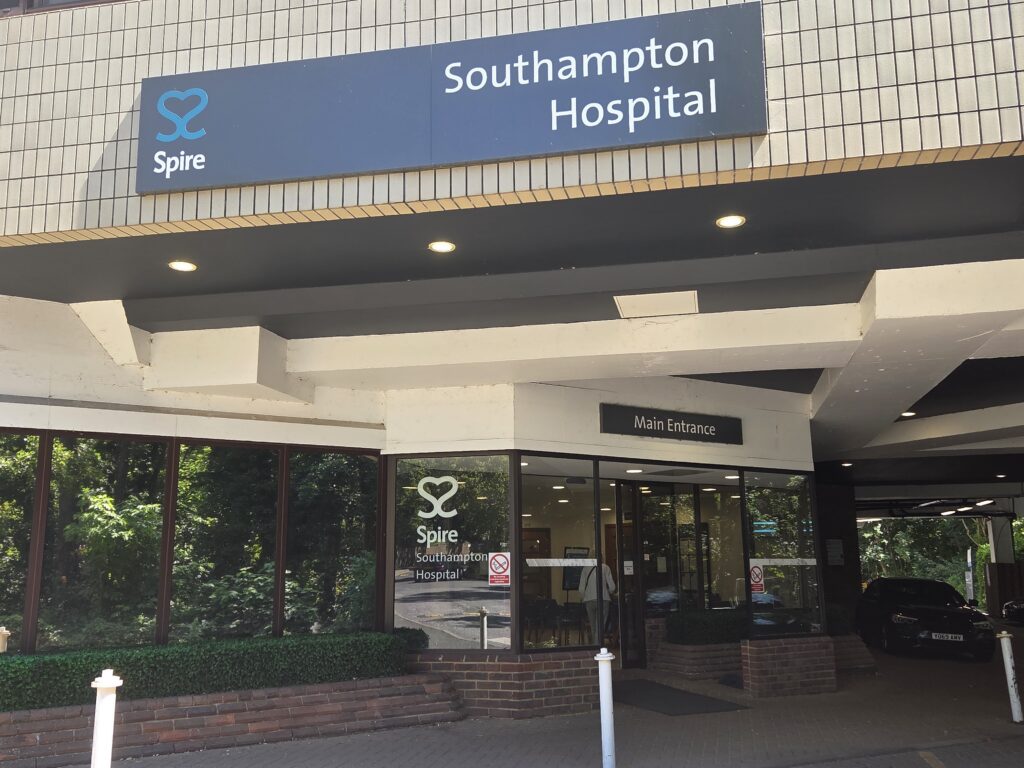
Spire Southampton Hospital is approximately a 10-minute taxi journey from Southampton Central station. It is also easily reached by road using the M3 and M27, with on-site patient parking.
International patients welcome
Southampton International Airport is approximately 15 minutes by taxi from the hospital and is immediately beside Southampton Airport Parkway railway station.
Patients arriving through Heathrow or Gatwick can continue to Southampton by rail, coach or car. Appointments can be coordinated wherever possible to reduce unnecessary journeys and make the visit as efficient as possible.
Travelling a long distance?
Contact us before booking travel. We can advise whether a video consultation would be useful first and which medical records or measurements to send securely for review.

Discuss whether squint surgery is appropriate for you
Self-referrals, professional referrals and insured patients are welcome.
Please contact your insurer before booking to confirm your cover and obtain any required authorisation.